The full Urban Storytellers Journal in English, German and Bulgarian is now available to read and download here.
Was brauchen junge Menschen an den Orten, an denen sie leben, lernen, arbeiten und ihre Freizeit verbringen – und wie können wir sie in die Gestaltung der Stadt einbeziehen? Um diese Frage zu beleuchten, sprach die öffentliche Designerin und Stadtprojektmanagerin Katya Romanova mit zwei lokalen Jugendinstitutionen in Berlin-Pankow: dem Kinder- und Jugendbüro Pankow und Gangway e.V. Gemeinsam teilen sie Einblicke, Erfahrungen und Strategien, um die Stadtplanung inklusiver zu gestalten und besser auf die Bedürfnisse junger Menschen einzugehen.
What do young people need in the places where they live, study, work, and spend their free time — and how can we involve them in shaping the city? We spoke with two local youth institutions in Berlin-Pankow: Kinder- und Jugendbüro Pankow and Gangway e.V. about insights, experiences, and strategies for making urban planning more inclusive and responsive to the needs of young people.
Wir trafen Dimitar Nikolov erstmals während des Imagining Cities-Symposiums der Urban Storytelling School, wo sein fantasievoller Zugang zum urbanen Raum durch Skulptur auffiel. Als Bildhauer und Steinmetz mit Sitz in Plovdiv arbeitet er vor allem mit Stein. Seine Praxis bewegt sich zwischen handwerklichem Können und konzeptueller Reflexion und verbindet Straßenkultur, öffentlichen Raum und Geschichte. In diesem Gespräch teilt Dimitar Gedanken über den Dialog zwischen Kunst und Stadt, die Poetik des Materials und die Spuren menschlicher Präsenz im Laufe der Zeit.
Im Gespräch untersuchen Viktoria Draganova und Architekt Viktor Damov, wie städtische Räume „sozialen Wert“ erhalten, wie bürgerschaftliche Beteiligung im Alltag aussieht und auf welche Weise junge Menschen sich die Stadt durch kleine, aber bedeutende Handlungen wieder aneignen.
„Finding Home“ ist eine Klanginstallation, die fragt: Was bedeutet „Zuhause“ für junge Menschen mit Migrationshintergrund?
“Finding Home” is a sound installation that asks: What does “home” mean for young people with migration backgrounds?
Dieses partizipative Projekt von Ksenia Lapina und Maria Fallada Llandrich untersucht Jugendidentität, Zugehörigkeitsgefühl und die imaginativen, hoffnungsvollen Zukunftsvorstellungen junger Menschen in Berlin und Sofia.
This participatory project explores youth identity, sense of belonging, and the imaginative, hopeful futures envisioned by young people in Berlin and Sofia.
Während der Sommerresidenz der Urban Storytelling School sprachen wir mit Vladiya Mihaylova von Toplocentrala – Leiterin der Sparte Bildende Kunst im neuen Kunstzentrum in Sofia, das unabhängiger Kunst, Performance und Gemeinschaftsengagement eine Plattform bietet. Das Gespräch behandelt städtischen Wandel, demokratische Prozesse, junge Menschen und das Verhältnis zwischen Kunst, Gemeinschaft und öffentlichem Leben.
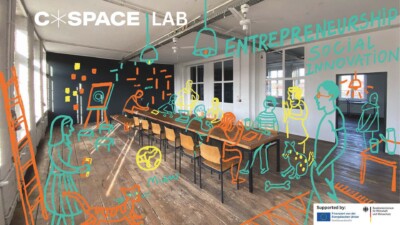
“Entrepreneurship is a creative act” – says Prof. Günter Faltin, founder of Teekampagne whom we had the privilege of hosting this autumn for a discussion as part of our C*LAB program. Learn more about the others entrepreneurs gatherings at C*SPACE in 2023…
’Green Cities for our Future’ is a video based training course on low-carbon and sustainable urban development in Germany. It contains 5 course units and was produced by CITYMAKERS in 2021 for the Sino-German Urbanisation Partnership, implemented by GIZ.
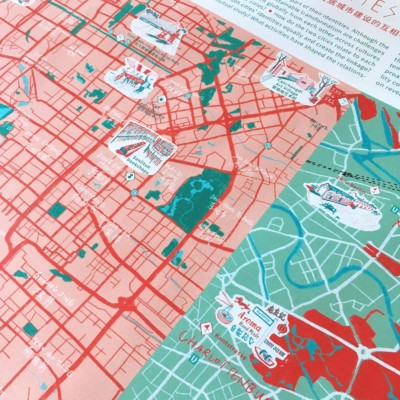
CITYMAKERS Knowledge-Hub: Aiming at understanding deeper the context of cities and urbanisation processes in China other than in Europe, we have generated various studies, recommendation papers, mappings, tools and more. See an overview on of our diverse print and e-publications here.
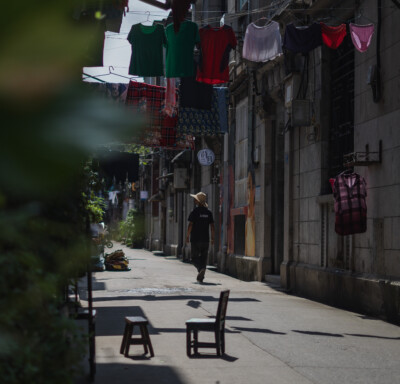
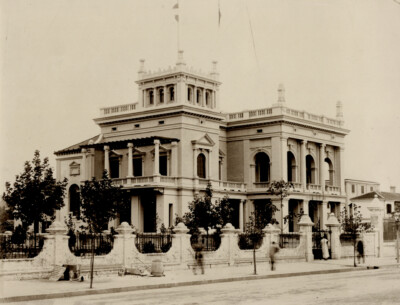
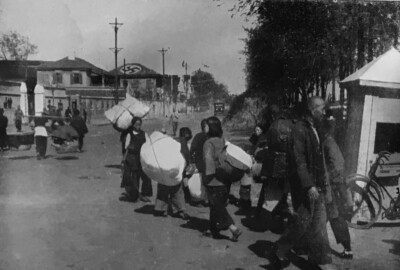
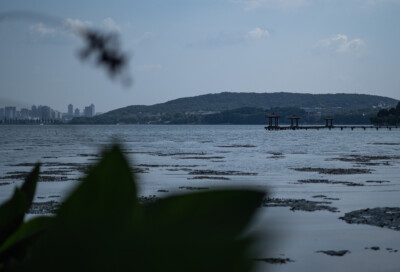
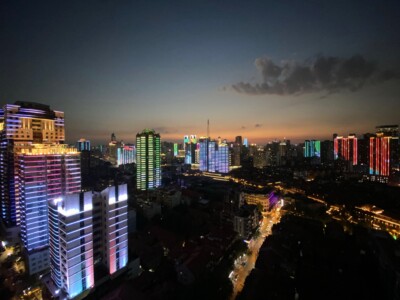
Das multimediale Wechselspiel von Keep Wuhan Walking – bestehend aus Audio-Atmosphären, Reportagen, Essays und wissenschaftlichen Einordnungen – führt die Flanierenden digital durch Wuhan – ob vor dem Bildschirm, im Lesesessel oder unterwegs über Kopfhörer.
The multimedia interplay of Keep Wuhan Keep Online Magazine – consisting of audio atmospheres, video impressions, reports, essays and scientific writings – guides you as strollers through Wuhan digitally – in front of the screen at home or on site in Wuhan.
A kiosk that doesn’t sell but shares – that’s how the project Sharing to Empower began. It explored how newly arrived people from Ukraine in Berlin invent their own forms of sharing and how these practices can create a sense of belonging, help build community, and help shape a new urban environment.
Anleitung von Silvia Cherneva, Inspektorin für die Bespielbarkeit öffentlicher Räume und Mitglied der Vereinigung unabhängig spielender Bürger:innen im erwerbsfähigen Alter
The Virtual Walk “Walking the Chinese Countryside” explores the Sichuanese countryside, while the protagonist interacts with locals and foreigners, reflecting on not just structural, but also lifestyle differences between urban and rural spaces.
CITYMAKERS- Freund Shi Ming – freier Journalist – begleitet das STADTMACHER Netzwerk seit seiner Gründung vor 5 Jahren. In einem Gespräch mit Katja Hellkötter spricht Shi Ming über aktuelle Tendenzen der Stadtentwicklung in China und den deutsch- chinesischen Urbanisierungsaustausch.
In this interview Knut Wimberger – systemic thinker and social entrepreneur, who has lived in China for 20 years – talks with us about current challenges of society, the social entrepreneurship ecosystem and his vision for the future of living.
When looking for an expert on the combined topics of environment, education and China, the name Dr. Eva Sternfeld 艾娃博士 pops up at the top of the list. CITYMAKERS has the good fortune of regularly counting Eva among the experts and partners in its network, where she was involved in the focus group “Urban Farming”. While Eva spent her time in quarantine in Qingdao earlier this month, we took the chance to interview her again.